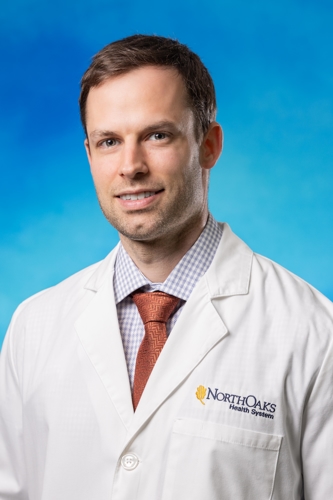


Your heart does more than just beat—it follows a precise rhythm powered by tiny electrical signals. When that rhythm is off, it can take a toll on your energy, comfort and well-being. At North Oaks Health System, our cardiac electrophysiology team specializes in diagnosing and treating heart rhythm disorders with advanced, minimally invasive care.
If you’ve been told you have an irregular heartbeat or are experiencing symptoms like palpitations, dizziness, low blood pressure, shortness of breath or fatigue, an electrophysiology study could be the key to understanding what’s going on and how to fix it.
Schedule an Appointment Today: (985) 230-2778
Cardiac electrophysiology is the study of the heart’s electrical system. These tiny electrical signals keep your heart beating in rhythm. When they misfire, it can lead to arrhythmias—abnormal heart rhythms that may require specialized care.
Our cardiac electrophysiology services help diagnose and treat different heart rhythm problems, including but not limited to:
With the right diagnosis, we can guide you toward effective treatment—whether that’s medication, a pacemaker, or a minimally invasive procedure like cardiac ablation.
An electrophysiology (EP) study is a minimally invasive test that tracks your heart’s electrical activity. Using special catheters inserted through a small incision in the groin, arm or neck, we can pinpoint the source of irregular heart rhythms and even treat them during the study if necessary.
Cardiology treats the heart and blood vessels. Cardiac electrophysiology focuses specifically on the heart’s electrical system. A cardiac electrophysiologist is a cardiologist who specializes in finding and treating problems with the heart’s electrical system.
No. You’ll be sedated, and the insertion site will be numbed with a local anesthetic. Some patients feel mild discomfort when the heart speeds up or slows down. Let your medical team know right away if you feel any pain.
Yes. EP studies are considered very safe for most patients. However, as with any medical procedure, there are risks. Risks of an EP study include arrhythmia, heart attack, stroke, blood clots or infection at the insertion site.
You’ll be sedated but awake enough to respond to instructions. Most patients feel relaxed and comfortable.
A cardiac ablation uses heat or cold to create tiny scars in the heart, blocking the faulty electrical signals causing an abnormal heart rhythm. This restores a more regular heartbeat. Sometimes the procedure is performed during the EP study if the cardiac electrophysiologist decides it is necessary.
Preliminary results are usually available right after the test. The cardiac electrophysiologist will explain the full results at your follow-up appointment and discuss any next steps, such as treatment options or additional testing.
At North Oaks Health System, we take your heart health seriously. If you’re experiencing symptoms or have been diagnosed with a heart rhythm disorder, call us today to schedule your appointment.