

Fueling for a 5K: Simple Tips from a Sports Dietitian
- Category: Wellness, Sports Medicine, Diet and Nutrition
- Posted On:
- Written By: Pamela Wooten, North Oaks Health System Sports Dietitian
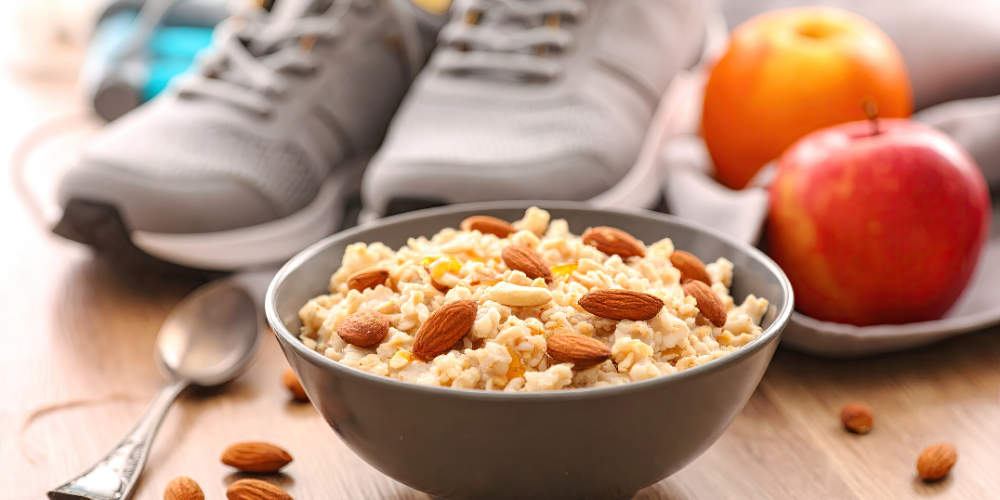
Whether you’re lacing up for your very first 5K or aiming to crush a personal best, what you drink and eat before running or walking can make all the difference between feeling unstoppable and hitting the dreaded wall.
Think of this race as more than just a run—it’s a test of how well you’ve trained, rested and, yes, fueled your body. The right nutrition is your secret weapon, giving you the energy levels to power through 5K run training, recover faster from workouts, and show up on race day feeling confident and ready.
Food is fuel for your body, and hydration is your cooling system. Together, they’re the keys to crossing the finish line strong. As a North Oaks Health System sports dietitian, I’ll walk you through exactly what to eat and drink before a 5K run so you can train smart, race strong, and recover quickly.
Why nutrition matters when training for a 5K
Even though a 5K is shorter than a marathon at 3.1 miles long, your body still works hard. Good nutrition will:
- Give you energy for your runs.
- Help your muscles recover after workouts.
- Store extra fuel in your body for race day.
- Keep you hydrated so you don’t cramp or overheat.
- Help you bounce back faster so you’re ready for the next run.
If you don’t eat well, you might feel sluggish, get tired faster or take longer to recover from 5K training.
1. What to eat the week before a race
What you eat every day matters most. It’s a good idea to concentrate on:
Create balanced meals.
Fill half your plate with fruits and vegetables, one-quarter with lean protein (chicken, eggs, fish, tofu) and one-quarter with whole grains or starchy veggies (rice, regular or sweet potatoes or pasta).
Drink water often.
Aim to drink half your body weight in ounces of water each day. For example, if you weigh 150 pounds, you should drink around 75 ounces of water.
Remember, you may need more depending on your physical activity level, the weather and how much you sweat.
Pay attention to hydration and electrolytes.
Water is enough for most 5K training runs under an hour. If you’re running longer, in hot/humid weather or sweat heavily, include a drink with electrolytes to replace sodium and other minerals. Sip steadily rather than chug to stay hydrated when running without upsetting your stomach.
Choose food that includes complex carbohydrates.
Foods like whole-grain bread, rice, fruit and oatmeal give you energy.
Include protein for muscles.
Eat protein at each meal to help your muscles repair and get stronger.
2. What to eat the day before a 5K race
Think of the day before a 5K race as filling up your gas tank. Make sure to fuel your body properly:
Eat more carbs.
Pasta, rice, potatoes, fruit and bread help your body store energy.
Avoid new foods.
Stick to what you know works for your stomach.
Stay hydrated.
Drink water throughout the day. Pale yellow urine is a good sign you’re hydrated.
3. What to eat race day morning
Eat early so your stomach feels good when you run. If you eat too late, you risk getting sick during the race.
Eat two to three hours before the race.
Try oatmeal with a banana, toast with peanut butter or a bagel with some cream cheese.
Drink fluids.
Make sure to drink plenty of fluids before heading to the starting line.
If you’re hungry before the race:
Focus on easy-to-digest carbohydrates. For example, a banana, fruit strip, energy chews/energy bar, granola bar or apple sauce are great choices.
4. During the race
Most runners don’t need snacks during a 5K. But you should drink water if you are thirsty! Take small sips to hydrate at water stations.
5. What to eat after the race
Refuel within 30 to 60 minutes after the race to help your body recover.
Choose both carbs and protein.
Try chocolate milk, yogurt with fruit or a turkey sandwich as post-run recovery food.
Keep drinking water.
It’s important to replace the fluids you lost while running.
Celebrate with a post-race meal.
Aim to have a balanced meal within 1 hour of the race to aid your recovery.
Quick 5K Race Tips
- Start eating and drinking well before race day.
- Stick to foods your body is used to.
- Don’t forget recovery! It’s part of training.
Crossing the Finish Line Strong
Running a 5K is an achievement worth celebrating, and fueling your body well will help you enjoy every step of your journey. Think of your nutrition as part of your 5K training plan—it’s just as important as the number of miles you run.
By fueling for a 5K with balanced meals, proper hydration and listening to your body, you’ll be ready to cross the finish line feeling strong, proud and ready for whatever goal you set next!
Never participated in a 5K race before? Check out our 5K training guide for beginners.
Keep your feet healthy during 5K training with advice from our North Oaks Health System sports medicine experts.