What Does a Neurosurgeon Treat? Understanding Their Role
- Category: Neurology & Neurosurgery
- Posted On:
- Written By: Emma James-Wilson

When most people hear the word "neurosurgeon," they think of brain surgery. While neurosurgeons do perform surgeries on the brain, their expertise goes far beyond that.
Neurosurgeons diagnose and treat conditions affecting the brain, spine, spinal cord, peripheral nerves, and blood vessels of the nervous system. North Oaks Health neurosurgeons provide both surgical and nonsurgical treatment options to help their patients regain function, reduce pain, and improve their quality of life.
Conditions a Neurosurgeon Treats
The central nervous system is your body's communication network. It controls movement, sensation, balance, memory, and many other important functions. When something affects this system, a neurosurgeon may become an important part of your healthcare team.
Neurosurgeons care for a wide range of conditions, from common back pain to complex brain disorders.
Spine Conditions
Many patients are referred to a neurosurgeon because of neck or back problems. Common spine conditions include:
- Herniated or slipped discs
- Spinal stenosis, a narrowing of the spinal canal
- Chronic neck and back pain
- Back and neck syndromes
- Other spinal disorders that affect movement or nerve function
These conditions can cause symptoms such as pain, numbness, tingling, weakness, or difficulty walking. Depending on the severity of the condition, treatment may include physical therapy, medications, injections, or surgery.
Brain Conditions
Neurosurgeons also diagnose and treat conditions affecting the brain. These may include:
- Brain tumors
- Pituitary tumors
- Skull base tumors
- Adult hydrocephalus, a buildup of fluid in the brain
- Concussions and other traumatic brain injuries
- Various brain disorders requiring specialized treatment
Treatment plans are tailored to each patient and may involve monitoring, rehabilitation, medication, or surgery.
Nerve Disorders
Peripheral nerves connect the brain and spinal cord to the rest of the body. When these nerves are compressed or injured, they can cause significant discomfort and limit daily activities. Neurosurgeons commonly treat:
- Carpal tunnel syndrome
- Ulnar nerve pain
- Peripheral nerve disorders
- Facial pain
- Trigeminal neuralgia, a condition that causes severe facial nerve pain
Symptoms may include pain, weakness, burning sensations, numbness, or loss of hand function.
Blood Vessel Disorders of the Brain
Some neurosurgeons specialize in conditions affecting the blood vessels of the brain. These disorders can be serious and often require prompt diagnosis and treatment:
- Brain aneurysms
- Arteriovenous malformations (AVMs)
- Cerebral hemorrhage, or bleeding in the brain
- Certain stroke-related conditions
Neurologist vs. Neurosurgeon: What's the Difference?
Patients often confuse neurologists and neurosurgeons because both specialize in disorders of the nervous system. However, their roles are different.
Neurologists
Neurologists diagnose and treat neurological conditions using medications and other nonsurgical therapies. They do not perform surgery. Neurologists at North Oaks care for patients with these conditions, among others:
- Migraines and headaches
- Stroke
- Movement disorders and tremors
- Parkinson's disease
- Alzheimer’s disease
- Epilepsy
- Neuropathy
Neurosurgeons
Neurosurgeons are trained to perform surgery on the brain, spine, and nerves when necessary. However, surgery is only one part of what they do. Neurosurgeons also evaluate patients, diagnose conditions, recommend nonsurgical treatments, and develop individualized care plans.
In many cases, they work closely with neurologists and other specialists to ensure patients receive the most appropriate treatment.
What Treatments Do Neurosurgeons Offer?
Not every patient who sees a neurosurgeon needs surgery. The goal is always to choose the safest and most effective treatment based on each patient's specific condition.
Neurosurgical treatment options at North Oaks may include:
- Nonsurgical therapies
- Minimally invasive or microscopic surgical procedures
- Spinal fusion surgery
- Complex spinal reconstruction
- Advanced computer-assisted surgical techniques
How North Oaks Can Help
Whether you're dealing with persistent back pain, nerve symptoms, or a complex neurological condition, the right diagnosis and treatment plan can make a significant difference in your quality of life. North Oaks Health neurosurgeons provide comprehensive care for disorders affecting the brain, spine, spinal cord, and peripheral nerves, offering both advanced surgical techniques and nonsurgical treatment options tailored to each patient's needs.
If you have been referred for neurosurgical care or are experiencing symptoms that may be related to a neurological condition, schedule an appointment with North Oaks Neurosurgery Clinic at (985) 230-2778 (APPT).
Learn more about neurosurgery at North Oaks Health here.
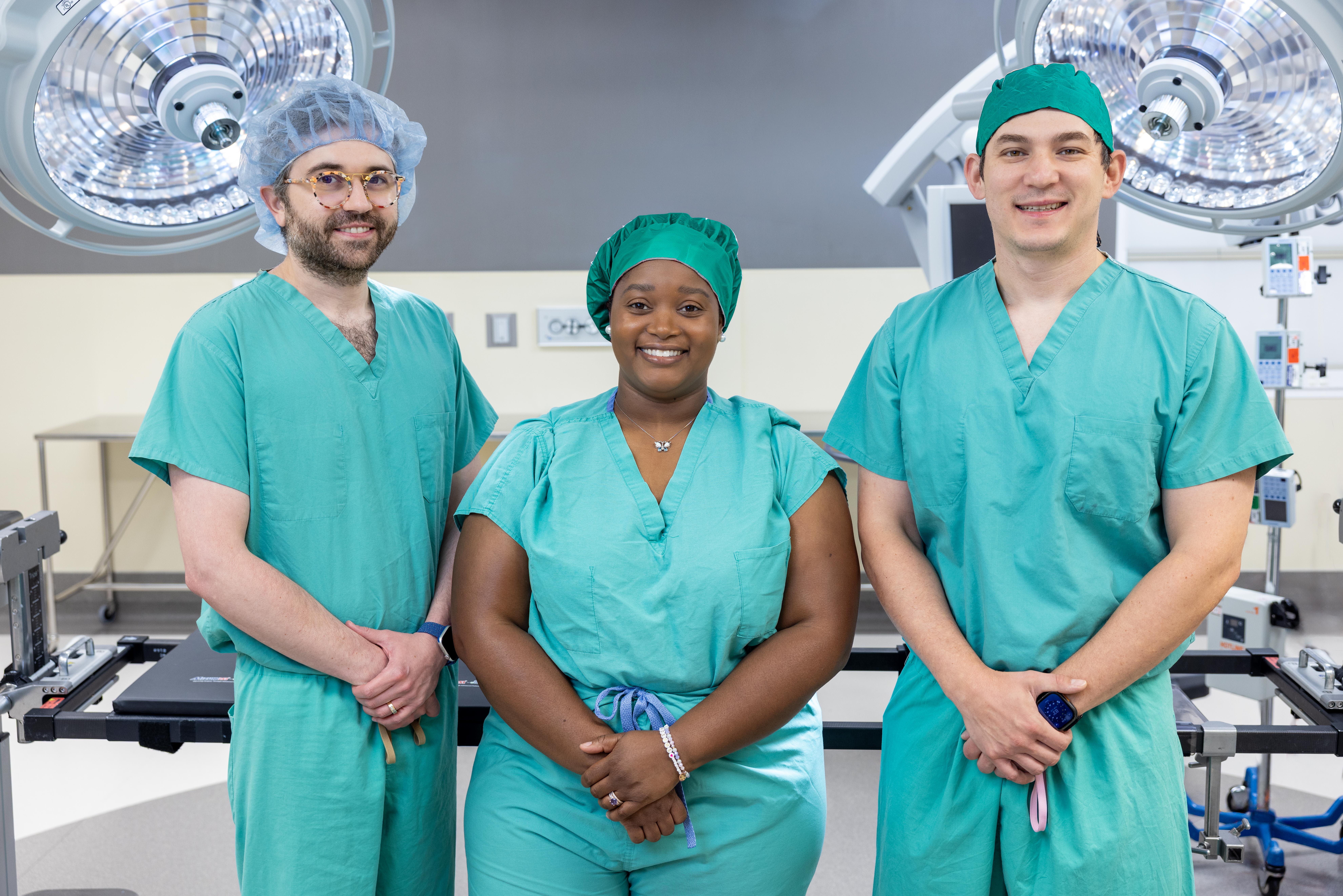
Meet The Team

.png)