

Your Ultimate Summer Safety Checklist
- Category: Wellness, Primary & Family Care
- Posted On:
- Written By: Emma James-Wilson
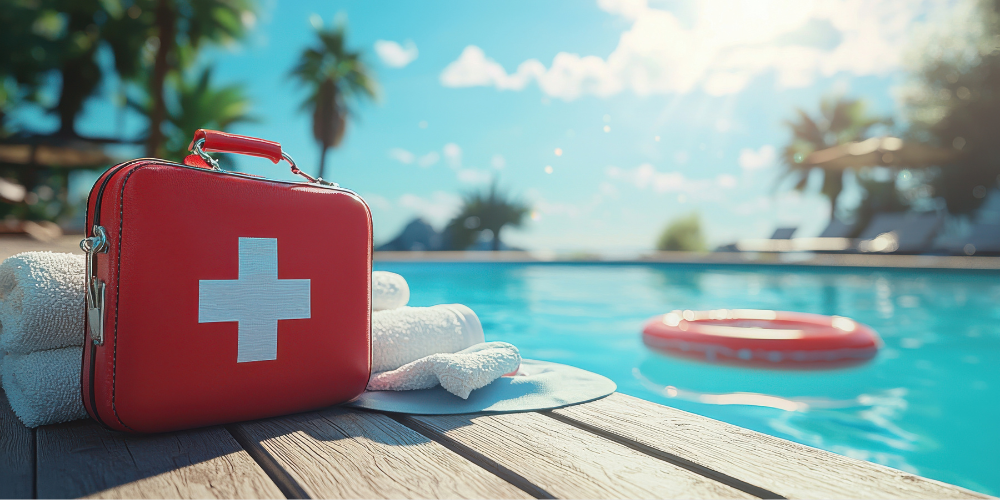
The summer months are a time for fun in the sun, but staying safe is also important. Whether you're heading to the beach, spending time outdoors, or just trying to beat the heat, our handy summer safety checklist can help you and your family stay healthy and protected while enjoying the season.
✓ Sun smart, skin safe.
- Use sunscreen with a Sun Protective Factor (SPF) of 30 or higher that protects against both ultraviolet A (UVA) and ultraviolet B (UVB) rays.
- Reapply sunscreen every two hours — sooner if you’ve been swimming or sweating.
- Protect your skin by taking a break from outdoor activities from 10 am to 4 pm during summer.
- Know the signs of heat exhaustion and heat stroke, which happen when you spend too much time being active outside and your body gets too hot.Beat the heat by staying in the shade or wearing sun-protective clothing like long-sleeved shirts, pants and a wide-brimmed hat.
✓ Don’t wait—hydrate!
- In the summer, we tend to sweat more because of the heat. While everyone knows you should drink water, the heat means you should be drinking a lot more to stay hydrated — at least two liters every day.
- Spending a lot of time outside in the summer can make you sweat more and lose fluids faster. To stay hydrated, drink sports drinks with electrolytes like sodium and potassium to help replace what your body loses by sweating.
- Don’t wait until you are thirsty to drink! Signs of dehydration include extreme thirst, fatigue, confusion, dizziness and going to the bathroom less often.
- Avoid drinks with alcohol or lots of sugar, and skip very cold drinks to help your body hold onto fluids and prevent stomach cramps.
✓ Check before you chew.
- Keeping food at the right temperature helps stop harmful bacteria from growing. This is especially important in the summer when temperatures soar and heat reaches record-setting levels.
- Don’t leave picnic food out for more than 2 hours—or just 1 hour if it’s hotter than 90°F outside. Eating spoiled food causes food poisoning, allergic reactions, digestive issues or extreme illness.
✓ Sport some shades.
- Wear sunglasses that block 100% of UVA and UVB rays. Teach your kids to wear them too—as early as possible, because the lens of a child’s eye is at a higher risk of damage.
- Wearing sunglasses regularly can protect your eyes from problems as you age, like cataracts, vision loss and even eye cancer.
✓ Swim smart.
- Always swim with a buddy. Even strong swimmers can get tired or have muscle cramps.
- Always keep a close eye on kids near a pool, lake or other bodies of water. Don’t get distracted by things like reading, using your phone, or doing yard work while watching them.
- Water safety is essential. Drowning is the number one cause of death for children ages 1 to 4 in the United States and the second leading cause for kids ages 5 to 14.
- Pay attention to the weather. Strong winds and lightning from storms can be very dangerous, especially in the water.
- If you get caught in a current while swimming in the ocean, stay calm. Go with the flow of the water and slowly try to swim back to shore.
- Wear a life jacket. Don’t rely on floaties, pool noodles, or inner tubes—they’re not safe substitutes.
✓ Look before you lock.
- The National Safety Council reports that more than 1,000 children nationwide have died from heatstroke after being left in hot cars or other vehicles since 1998. An estimated 53% of these deaths were because a parent or caregiver forgot a child in a car.
- Keep a regular routine and stay focused to help prevent accidentally leaving a child in the car. Try placing something you need—like your purse, backpack, or even one of your shoes—in the back seat. Get into the habit of checking both the front and back seats every time before locking your car and walking away.
- Never leave your child alone in the car! It’s never safe to leave a child alone in a car, not even for a short time, on a cloudy day or with the windows cracked. Because the inside of a car can heat up very quickly, about 1 in 4 children’s vehicular heat stroke deaths happen when someone leaves a child in the car on purpose.
- Keep your car doors locked when the vehicle isn’t being used so kids cannot get in—24% of deaths of children in hot cars are because they get in when no one is watching.
✓ First aid, first packed.
- Accidents can still happen in summer, even when we're careful. That’s why having a summer first aid kit is important. Keep one in your car and another in your beach or camp bag.
- Pack bandages, antiseptics, sunscreen, insect repellents, pain meds, and items for heat and hydration like cold packs and electrolyte tablets. Keep it all in a waterproof bag, ready for any summer adventure.
- In summer, common injuries that may need first aid include burns, cuts, scrapes, insect bites or stings, sprains, broken bones, and heat-related illnesses. Here are some basic emergency first aid techniques until help can arrive if needed.
Checklist Done, Summer On!
Summer is all about sunshine, adventure, and making memories—but staying safe should always be part of the plan. Use our summer safety checklist to help protect yourself and your family so you can enjoy every sunny moment with peace of mind.