
5K Training: How to Keep Your Feet Healthy
- Category: Wellness, Orthopedics, Sports Medicine
- Posted On:
- Written By: Emma James-Wilson
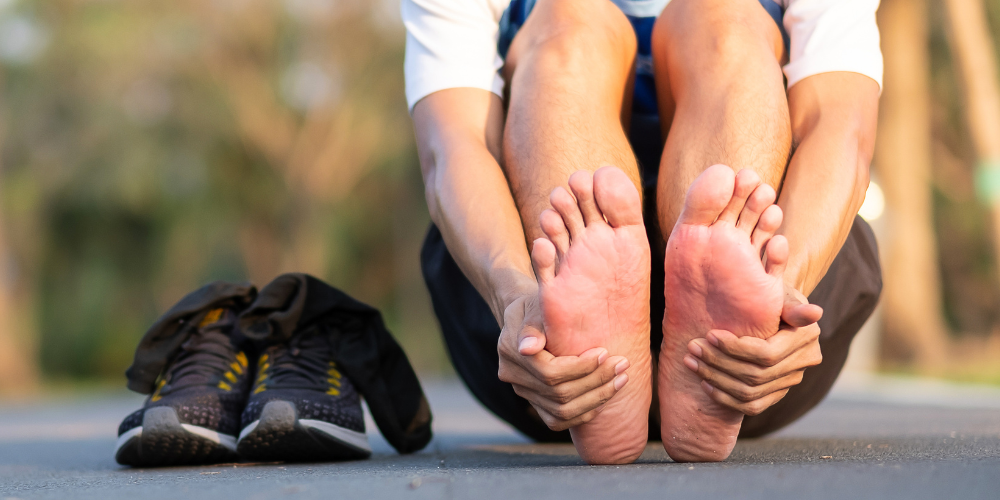
Whether you're walking your first 5K or training to beat your personal best, your feet are your most important tools. They absorb impact, provide balance and carry you every step of the way.
But if you don’t take care of your feet, even a short race can become painful. Our North Oaks Health System experts share how to keep your feet healthy when running or walking across the finish line.
What happens to your feet when you run?
Most people take around 10,000 steps a day—over 3 million steps every year! With each step, your feet can feel 2 to 3 times your body weight, according to the American Orthopaedic Foot & Ankle Society (AOFAS).
Running causes even more repetitive pressure because each foot strikes the ground at three to four times your body weight with every stride. Common running issues include:
- Blisters from friction and moisture
- Shin splints from running on hard surfaces or overuse
- Plantar fasciitis, or arch foot pain, from overuse
- Stress fractures in the foot from poor footwear or overtraining
Knowing what your feet endure when you walk or run helps prevent problems before they start.
How to choose the right shoes
Your shoes are your most important gear when training for a 5K. A good pair of walking shoes or running shoes might cost a bit more, but they help protect your feet and legs from injury. Wearing shoes that match how much you walk or run each day can stop small issues—like sore feet or blisters—from turning into bigger problems that need medical treatment.
The American Academy of Podiatric Sports Medicine(AAPSM) recommends looking at these factors when choosing a new pair of running or walking shoes:
Fit
Your running shoes fit when they are snug but not tight, with room in the toe box.Support
Match your arch typeꟷflat, neutral or high archesꟷand gait.Purpose
Use shoes designed for running or walking—not cross-training or fashion. You can walk in a running shoe, but you should not run in a walking shoe. Walking shoes are built to prioritize comfort and handle less impact than running shoes, which are more shock-absorbing and designed for more intense movement.
Where to start? Here is a list of running shoes and walking shoes that have earned the American Podiatric Medical Association Seal of Acceptance. Many specialty running stores also offer a gait analysis along with personalized recommendations for customers.
You don’t need a different pair of shoes for every sport you play. But if you do a sport more than three times a week, it’s a good idea to wear shoes made specifically for that physical activity to help protect your feet, improve performance and reduce the risk of sports injuries.
If you have foot or ankle problems, you may need special shoes or inserts to help prevent injury. Talk to your North Oaks Health System foot and ankle orthopedic surgeon if you’re unsure what kind of support your feet need.
Practice Good Foot Hygiene
Healthy feet need daily care. Taking just a few minutes each day to clean, check and maintain your feet can help prevent pain and keep you moving comfortably. To keep your feet in peak condition, try these tips:
- Wash and dry your feet thoroughly, especially between toes.
- Moisturize your feet, especially the soles, to prevent cracking. Avoid lotion between your toes to reduce fungal risk.
- Trim your nails straight across to prevent ingrown toenails.
- Try not to walk barefoot too often. Even at home, it’s better to wear slippers or indoor shoes with good arch support and sturdy soles to protect your feet.
- Check your feet regularly so you can catch any problems before they become serious.
Train Smart, Not Fast
Avoid doing too much too soon, especially if you are starting to train for a 5K. Follow these guidelines:
- Increase mileage gradually—no more than 10% per week to build your endurance and avoid injuries.
- Include rest days to let your feet recover.
- Stretch and strengthen your feet and ankles with simple exercises like toe curls, calf raises and ankle circles.
Read more advice about how to train for your first 5K here.
Treat Any Foot Injuries Early
Don’t ignore pain or discomfort in your feetꟷit’s your body’s way of telling you something is wrong. Treating any foot issues immediately can prevent them from becoming much more serious later.
Here’s how to handle common foot problems:
Blisters
Use a moleskin bandage or blister pad. Keep the area clean and dry.Calluses
Gently file after a shower and moisturize.Persistent pain
See your North Oaks Health System orthopedic specialist as soon as possible. DO NOT try to “run through it.”If you keep running while in constant pain, the injury can worsen. Over the long term, it might become so serious that rest or physical therapy won’t help. At that point, surgery could be the only option.
Prep Your Feet for Race Day
Race day is not the time to experiment with new equipment or techniques. Stick with what works:
- Wear moisture-wicking socks to reduce friction.
- Tape or pad problem areas if you’re prone to blisters.
- Double-check your shoes. They should be broken in but not worn out. The AAOS recommends replacing your running shoes every 250 to 500 miles since worn-out shoes lose shock absorption and can increase injury risk factors.
- Warm up with dynamic stretches for runners and a short walk or jog to get your feet ready for the event.
Recover the Right Way
After the race, make sure to spend some time recovering. Don’t forget to reward your feet with some pampering. After all, they’ve worked hard for you throughout race day!
- Cool down with gentle walking and stretching.
- Massage or roll your feet with a tennis ball or foam roller for runners.
- Ice or elevate your feet if you feel soreness or swelling.
- Monitor your feet for any lingering pain and take a break if needed.
Count on North Oaks to keep you moving
Your feet are your most valuable training partners. Treat them well, and they’ll carry you confidently across the finish line. Whether you're walking, jogging, or sprinting your 5K, foot health is essential to enjoying the journey and staying injury-free.
Need expert foot or ankle care?
General orthopedic surgeon Patrick Barousse, MPH, MPH, is here to help! Dr. Barousse chose to specialize in foot and ankle issues after suffering an ankle injury himself, giving him an understanding of the issues his patients face.Learn more about Dr. Barousse here.
Schedule an appointment with Dr. Barousse at the North Oaks Orthopedic Specialty Center in Hammond by calling (985) 230-2778.