

Everyone has a purpose and a story. When the unpredictable keeps you from your purpose, let North Oaks be the part of your story that helps you get back to living your life to the fullest. Providing you with compassionate care is what matters most to us. North Oaks in Tangipahoa and Livingston parishes – the choice you make when everything matters.
Your health is our primary concern. With several convenient locations to serve you, our experts are with you every step of the way in your journey toward a healthy and well life.
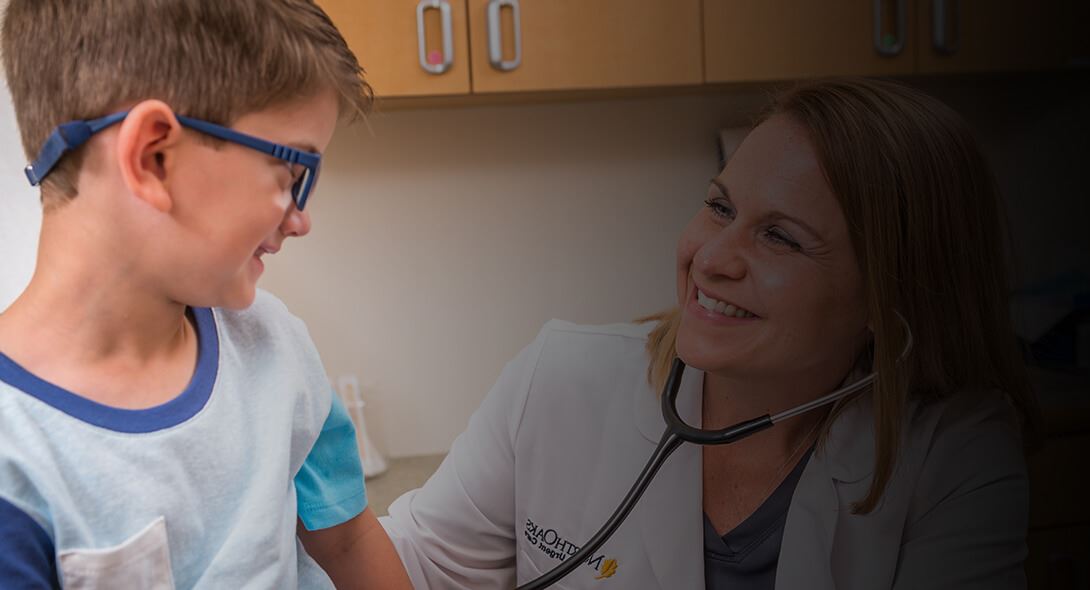
Our ER-trained experts treat people of all ages who are suffering from non-life threatening illnesses or injuries. Just walk in or reserve your spot online – we’re open every day from 7 a.m. – 8 p.m. to care for you.
At North Oaks, you can choose from more than 240 health care providers in 38 specialties, to help manage your health. Whether you suffer from allergies or need a urologist, we have you covered.
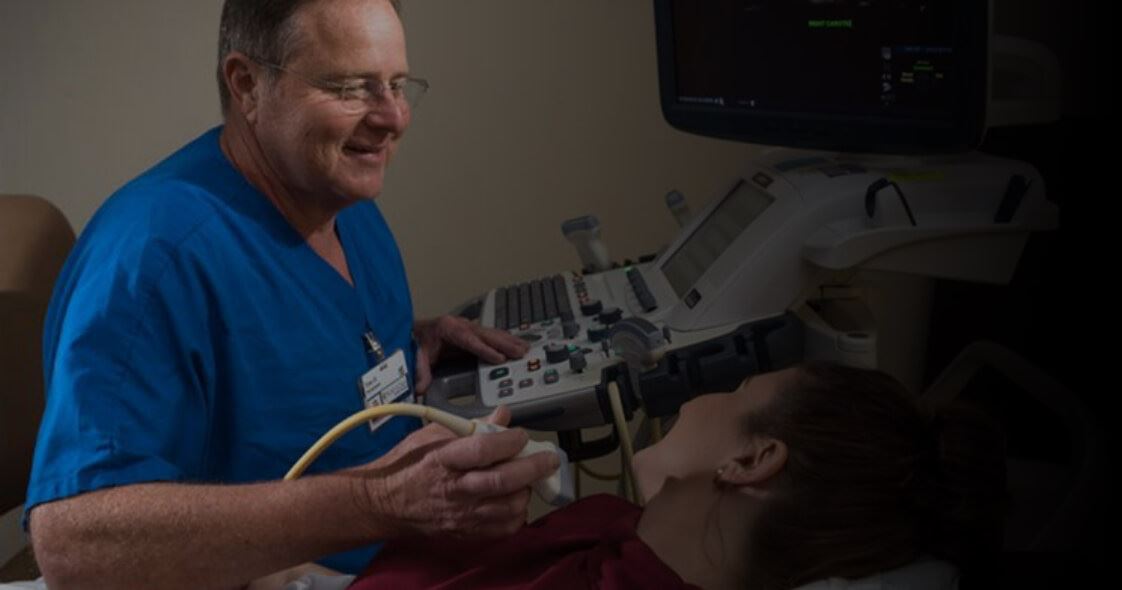
When your health care provider recommends a test or screening, our team is ready to meet your needs. If it’s a mammography screening, nuclear medicine test or blood work, we offer comfort and convenience close to home.
As a Level II Trauma Center, we are able to begin immediate, life-saving care for all injured patients. Our specialized team offers the right care at the right time and is ready 24 hours a day, 7 days a week for all your emergency needs.
Keep up with the latest news in health care, nutrition, fitness, informative health-related media and much more.

We offer a variety of classes, support groups and other programs to help you and your family stay well.
View All Events